Showing posts with label buying house east lansing. Show all posts

Sunday, October 7, 2012

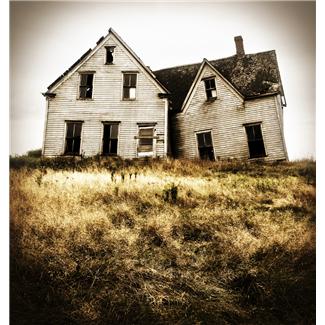
Should You Buy a New Home or an Old One?

If you're thinking about purchasing a home, an important factor to consider is whether you're interested in a new construction or an older home. It's easy to overlook a few of the components that really set newly-built homes apart from their previously constructed counterparts. Look below for a  few of the pros and cons of each option.

New Homes

The Pros:

  • Incentives: Many new homes come with a variety of incentives designed to appeal to potential buyers. Developers want a subdivision that's full, not a half empty one with For Sale signs set up on every third lot, which is why they offer a variety of perks to steer you in their direction. Incentives might include lower sales prices, extra features such as customized kitchens or money back at closing options.
  • It's New: Well this is obvious, but there's something to be said for moving into a home that is untouched. It's free of the history, decor and stale remnants of its previous family or families. You get a virtual blank slate upon which to create the home that suits your specific tastes and styles. Newer homes also tend to be more modern and designed to fit current needs rather than those of the past.
  • Fewer Repairs: Generally new homes will have fewer repairs and those repairs will costs less. From major stuff like electric that's up to code to new appliances, repairs in newer homes simply tend to happen less. 
  • Young Community: This doesn't necessarily apply to age, though it can. Ultimately subdivisions with new homes means you get to be part of the community from the ground up. Everyone is in the same boat having purchased a new home in your community so making friends and organizing social gatherings may happen easier than approaching your neighbors in a community that's existed for fifty years.
The Cons:
  • Higher Prices: New homes can get pricey especially if they're in desirable areas. Since everything has been purchased new, such as appliances, and a range of contractors performed services from plumbers to carpenters, costs can get rather steep.
  • Location: Most cities and areas close to businesses saw homes built around them decades ago. Thus you may find if you buy a new home, you're commuting twenty or thirty minutes to work everyday. Choosing a new home often means living further out in the country, which can also mean higher taxes because the city pays more for water, sewer and other utilities. 
  • Less Room to Roam: Many newer communities are divided into smaller lots, therefore, smaller yards or lawns. This can be nice for the mower in the family, but it can be a pain if you have kids and pets who want space to play outdoors.
  • Bad Construction: Since a new home hasn't stood the test of time, you're walking in blind in terms of construction durability. Check the builder's track record and make sure that other homes he's built previously are still in good shape. 

Older Homes

Pros:
  • Great Deal: The last several years have seen a definite spike in homes for sale, which bodes well for the buyer's market. Many people own their homes outright and may offer land contract financing or a lower price to sell a house that they no longer want.
  • Charm: Many people love the character that is rarely found in newly built homes. From original hardwood floors to elaborate crown molding, many older homes are reminiscent of the era in which they were built.
  • Established Area: When you buy an older home, you move into an existing community. Often these communities sprang up for a reason such as nearby schools, churches or parks. 
Cons:
  • Maintenance and Repairs: Older homes have older appliances, furnaces and whole-house systems. When you buy a home, you may not be aware of certain issues such as a basement that floods every year or a section of the roof that is in poor condition. Home inspections can catch some of these potential repairs, but many will be overlooked, so it's a good idea to buy the home knowing that some maintenance may be necessary.
  • Higher Utility Costs: Older homes are often less energy efficient because they use older appliances, may have poor insulation and drafty windows. Utility costs can get very high, especially if you live in a state such as Michigan with long, cold winters.
  • Ghosts of the Past: Probably no literal ghosts, though you never can tell, but definitely you will see aspects of the home's previous inhabitants reflected in the home's design, wallpaper and decor. Plan to spend some time eradicating the old touches to make the home your own.

Whether you're in the market for a newly built home or an older house, I can help you find the perfect property for your needs. As an East Lansing realtor, I specialize in the purchase and sale of Lansing area homes. Please contact me today at MyRealtorRob


Sunday, April 29, 2012

Buyers Purchasing Before Homes On Sale


If you have any doubts that the current housing market is in an upswing, just refer to a recent article published by RisMedia. According to the popular Real Estate website, house hunters who are disappointed by the current housing selection have begun to contact homeowners whose houses are not even on the market. In most cases, these buyers work with a Realtor who has access to the database of houses in their desired area that were previously listed and did not sell as well as upcoming listings that have not yet hit the market. Many Realtors, myself included, will also contact the homeowners of a house that my client really loves simply to discover whether selling is something that may interest them. 

According to Joe Grunnet, a Minneapolis broker, a shadow market exists that includes many potential sellers who would like to sell their homes, but have chosen to rent them out or wait for a turn in the market. They are unaware that many people are currently buying and that right now is a prime opportunity to find buyers willing to pay full or close to full asking prices. Grunnet's firm specializes in the sale and rental of downtown condos and lately, as the number of available units has dwindled, he has begun to contact condo owners who rent their properties to see if they are willing to sell. It appears to be working since he has sold more off-market condos in the first four months of 2012 than in the previous three years combined. 

The important thing to remember when pursuing a home that is not on the market is that the owner's may not want to sell. Flexibility and an open mind are important. Fortunately, there are may homeowners who are ready to sell, but are unaware of the recent influx of home buyers and the shortage of viable properties on the market. 

How To Access the Shadow Housing Market:

  1. Find a good realtor: Get connected with someone who specializes in the location that you desire to own a home. The more people they've worked with, the more connections they will have to potential sellers. 
  2. Figure out exactly what you want: Narrow down what you want from number of bedrooms to a basement rec room. This will help your realtor when searching the MLS for previously listed properties. 
  3. Drive around: If you're bent set on a specific area, spend some time driving around the neighborhood. Let your realtor know about any homes that you would love to make an offer on, listed or not. 
  4. Get in contact: As the buyer, you can leave this task to your realtor, but make sure to follow up with them. Some realtors will contact potential sellers with a quick note in the mail explaining that they have a party interested in their home. Other options include calling the owner directly or stopping by their house to inquire about the possibility of a sale. 
  5. Get comfortable: Home selling takes time even when a homeowner has listed their property and is ready to move elsewhere. When you're purchasing a home from someone whose property was not listed, you can expect it to take time for that person to settle on an asking price, find a new house and prepare for the actual move. If you've found the home of your dreams, it's worth waiting for so allow the process to unfold naturally. 
As an East Lansing Realtor, I am happy to assist you with all of your real estate needs. If you're a buyer looking to tap into the shadow housing market or a seller ready to take advantage of the current surplus of home buyers, contact me at MyRealtorRob


Tuesday, February 7, 2012

5 Reasons To Buy Rental Housing Near a University

It may not be time to go back to school, but that doesn’t mean you shouldn’t be frequenting college campuses. These property gold mines are profitable and sound investments and, depending on your location, can be more than affordable. For instance, I have several East Lansing, Michigan rental houses listed, just blocks away from Michigan State University, that are priced under $200,000 and two that are priced below $150,000. For homes that rent in upwards of $2,000 plus monthly, that can work out to be a very good investment.
According to a recent article by Ann Brenoff published on AOL Real Estate, college housing investments have thrived while most other housing markets have declined.  Brenoff cites increasing college enrollment that is not coupled with growing housing options, thus creating an opportunity for property owners to cover their mortgage and see some positive cash flow.
This isn’t an investment strategy for seasoned veterans only. Many parents of enrolled students and students themselves have begun to purchase property near their universities. For instance, Zac Bissonnette, a 2011 graduate of the University of Massachusetts, bought his first near-campus investment property his freshman year of college and his second year bought another one. He found that he easily covered his condo payments and had additional money to spare.
5 Reasons to Buy Property near a University
  • Large population of potential tenants (students) for the foreseeable future.
  • Students generally don't pay for their rent; their parents do, which increases the likelihood of timely, consistent payments.
  • If your child attends the university, an expensive rental payment is alleviated and you can make money!
  • Housing near campuses attract more than students. Think professors and university staff.
  • University towns often have a lot of appealing amenities, which helps keep property values stable. For instance, in East Lansing we have an amazing variety of ethnic restaurants, great eclectic shops and a myriad of fun venues to check out.

East Lansing, MI

Friday, January 27, 2012

5 Reasons Why You Should Buy a Home in 2012

Home buying has seen its ups and downs over the years. Fortunately, as we move into 2012, the market is primed for those ready to purchase a new home or buy an investment property. The steady decrease in housing prices has created the perfect buyer's market. That dream home that was unaffordable five years ago now sits perfectly in your price range. Those investment properties are priced just right to bring some positive cash flow into your life. And let's not forget the surplus of lenders offering rock bottom mortgage rates.

Like any major decision, home buying should be a well thought-out process, but with the right realtor, you can receive expert advice and discover a myriad of homes that are suitable for your budget.

Top Ten Reasons to Buy a Home in 2012
  1. Value: Purchasing a home right now means you're getting a great deal and securing a sound investment. Home prices are so low that you're bound to see a future increase.
  2. Low Interest Rates: This one clearly is a no-brainer. There is no better time to purchase than when the banks are bending over backwards to lend you money at a very affordable rate.  
  3. Low-Deposit Options: According to a recent article in the Guardian, low deposit mortgages are making a "strong resurgence." These mortgages are especially helpful to individuals or couples who don't have access to a lot of down payment cash.
  4. Access to Information: Home buyers of the 21st century have the unique advantage of being instant home buying experts. Simply hop online and you can search properties for sale in your area, read lender reviews and hunt for the best realtor to represent you.
  5. Rent is Going Up: For most people, the alternative to buying a home is renting one; however, a recent article published on AOL Real Estate cites a nearly 4% rise in rental costs in 2011, while home prices dropped almost 2%.